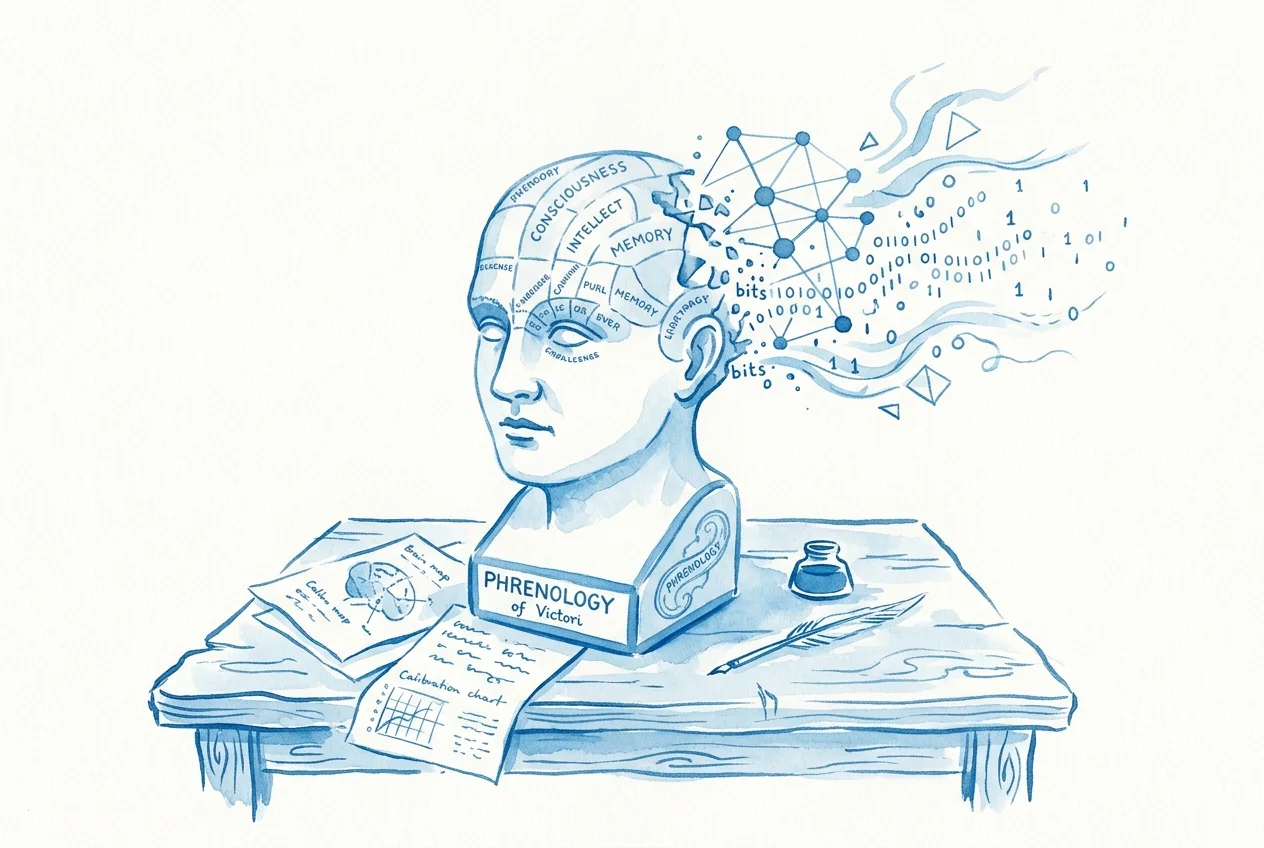
Write Weirder Is Fun Advice, But It Misses the Point
The 'write weirder' defense against AI sounds great until you realize most commercially successful fiction isn't weird at all.
perspective writing ai-craft

The latest on AI tools and the author AI space.
The 'write weirder' defense against AI sounds great until you realize most commercially successful fiction isn't weird at all.
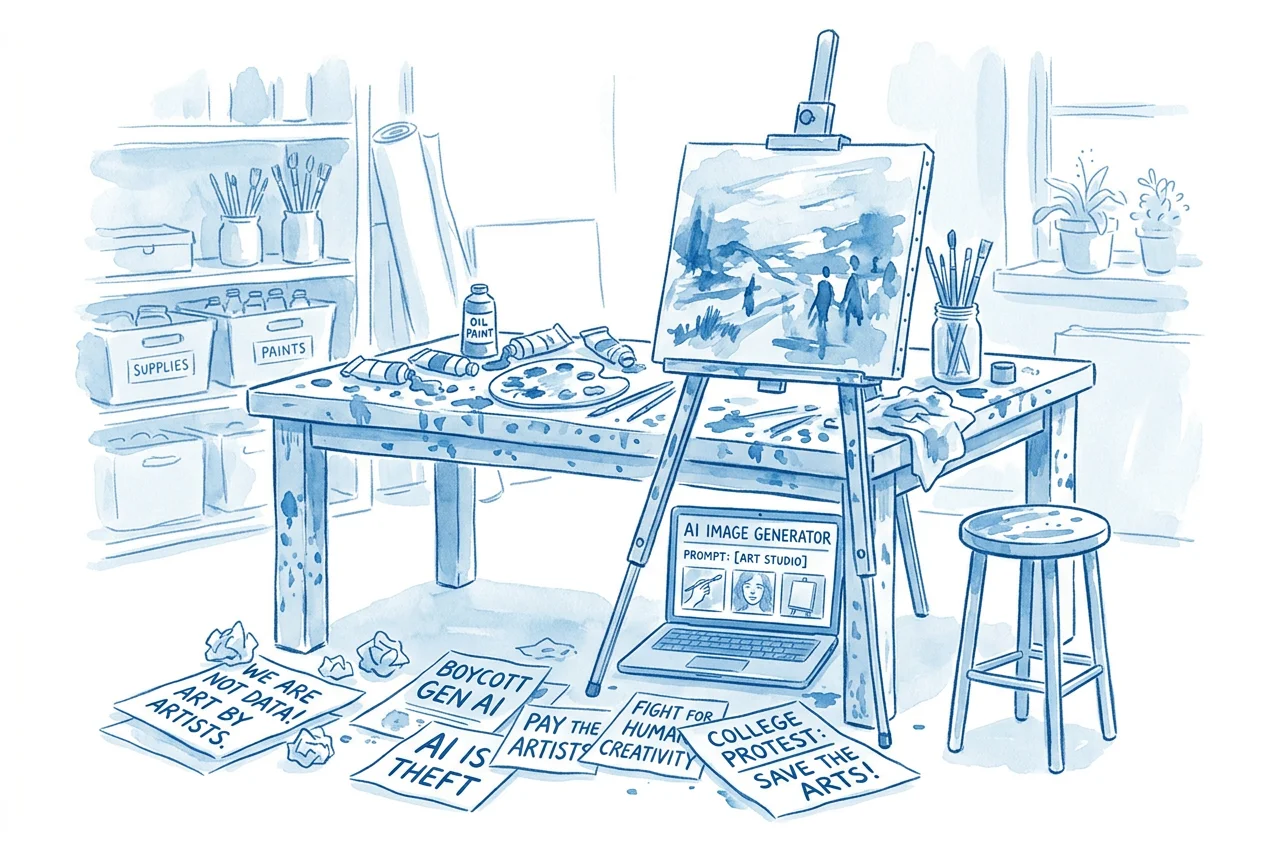
A student ate an AI art piece in protest, Anthropic's job threat study is built on 2023 data, and the interface problem might matter more than the intelligence problem.
Bluesky just gave everyone the power to build their own feed algorithm, and authors who ignore that are handing their discoverability to someone else.
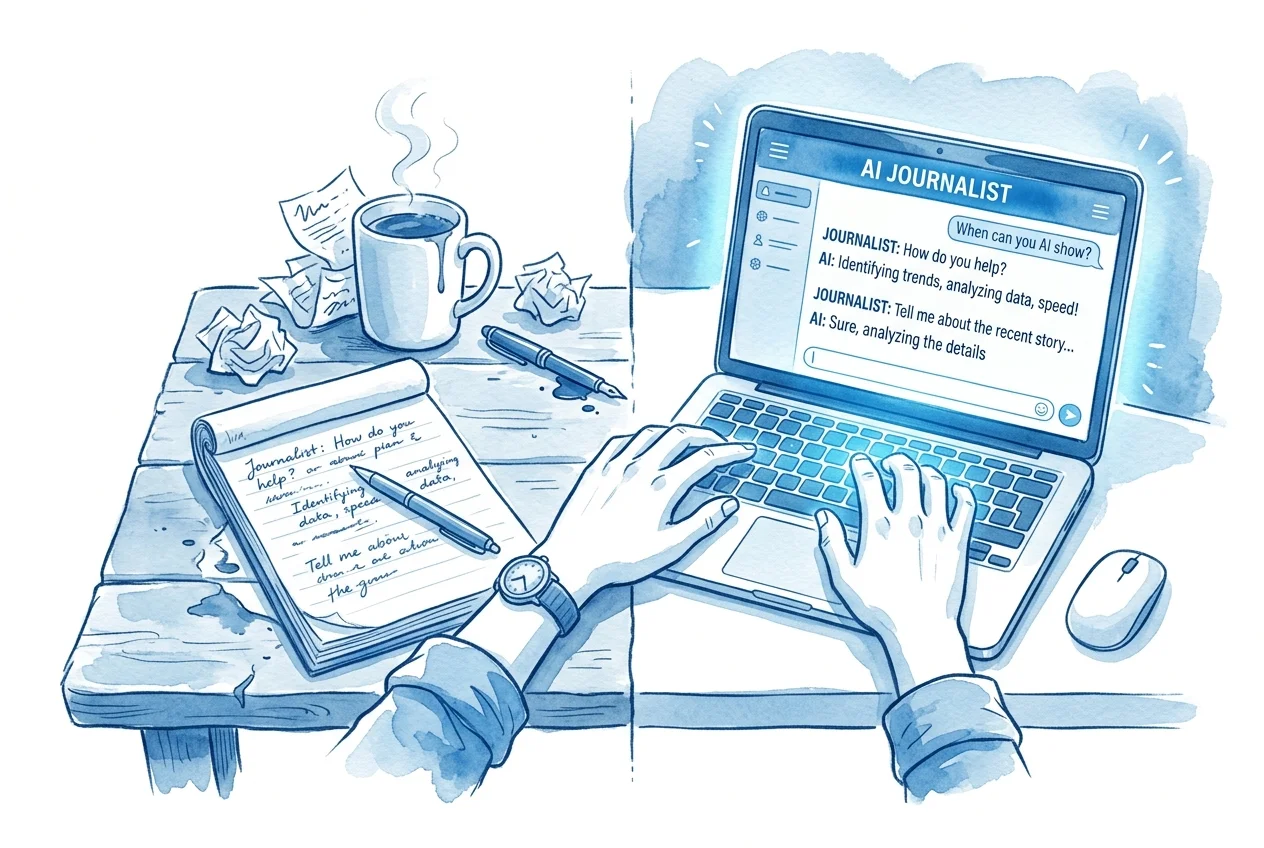
A Wired piece on journalists using AI reveals a spectrum of approaches that maps perfectly onto the choices indie authors face every day.
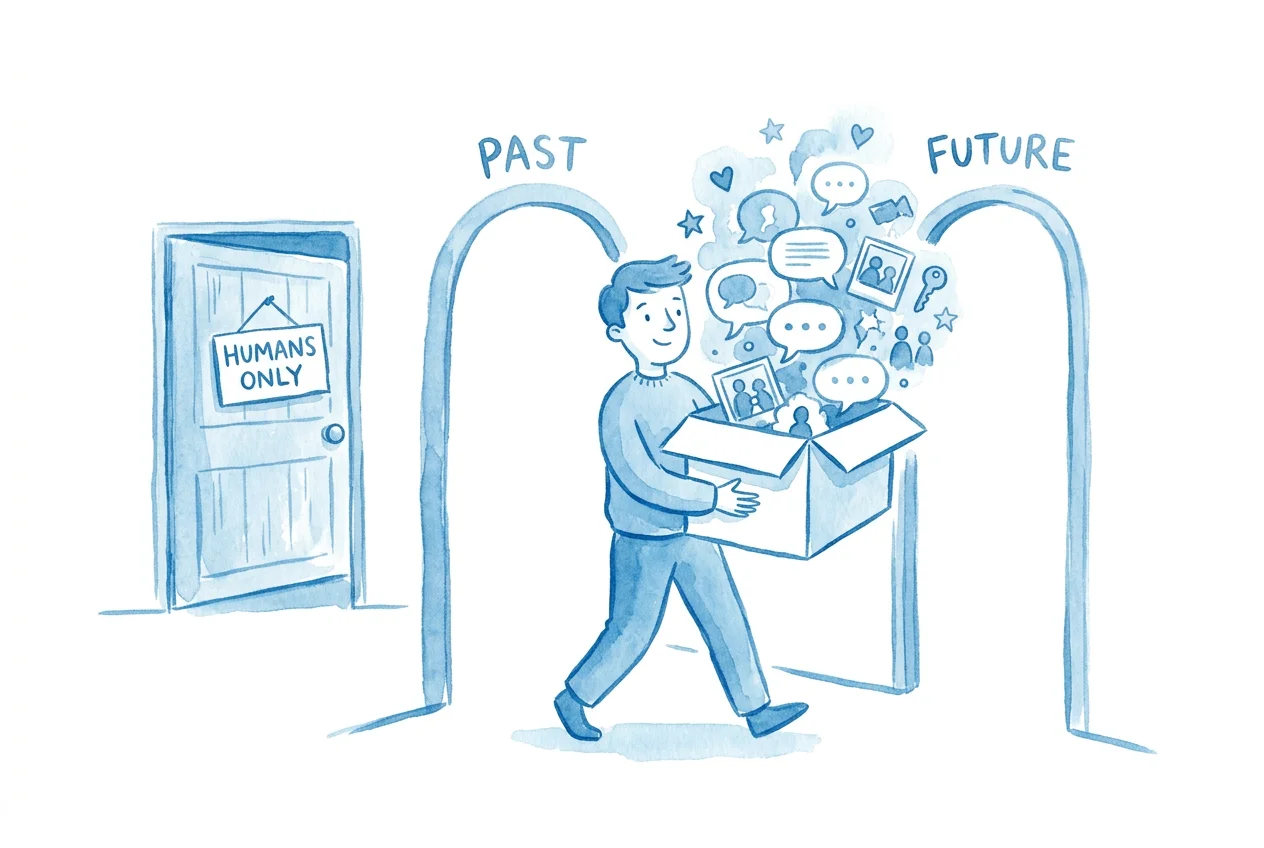
Google and Apple are making it easier to carry your AI life between platforms, while Wikipedia and Reddit are drawing harder lines about where AI belongs at all.
OpenAI killed Sora and shelved its adult chatbot in the same week, leaving Disney with a billion-dollar problem and the rest of us with a useful reminder about which AI bets actually pay off.

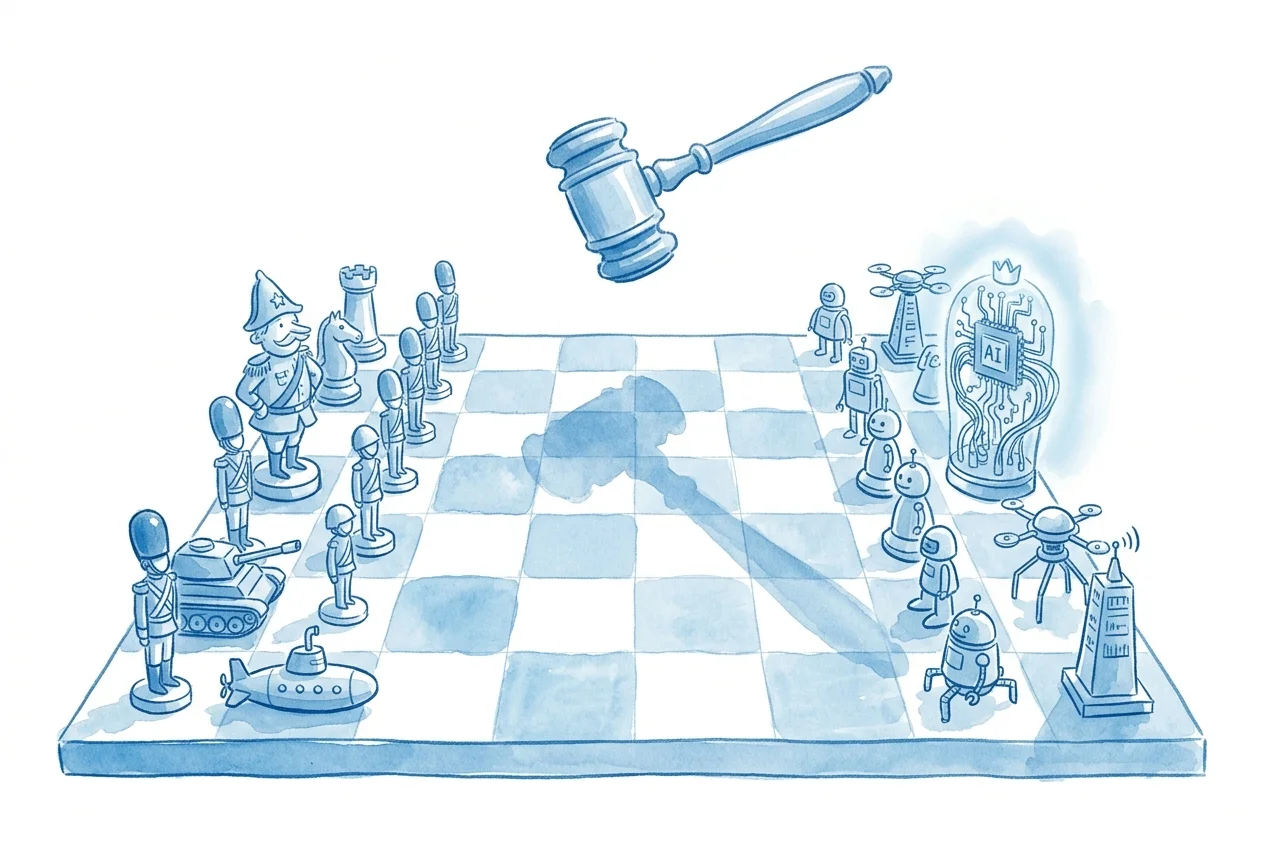
The DOD designated Anthropic a supply-chain risk for pushing back on military use of Claude, and a federal judge just called it what it looks like. Retaliation.
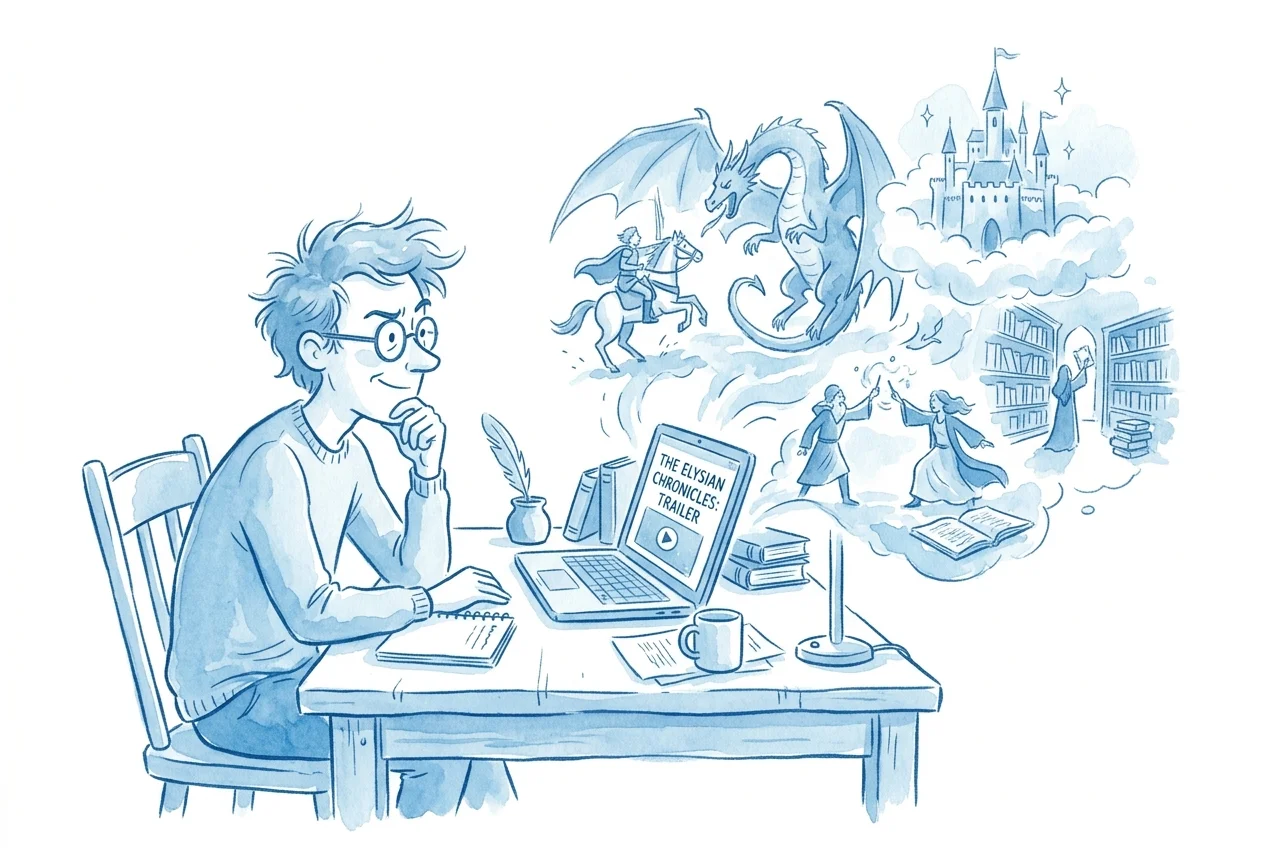
OpenAI's Sora 2 is now powerful enough to make real book trailers, and the safety guardrails tell us something interesting about where AI video is headed.
The most underrated use of AI isn't generating words, it's building yourself a tool that does exactly one thing the way you need it done.
A new documentary traces generative AI's statistical foundations back to eugenics, and whether you agree with its conclusions or not, the questions it raises are worth sitting with.